
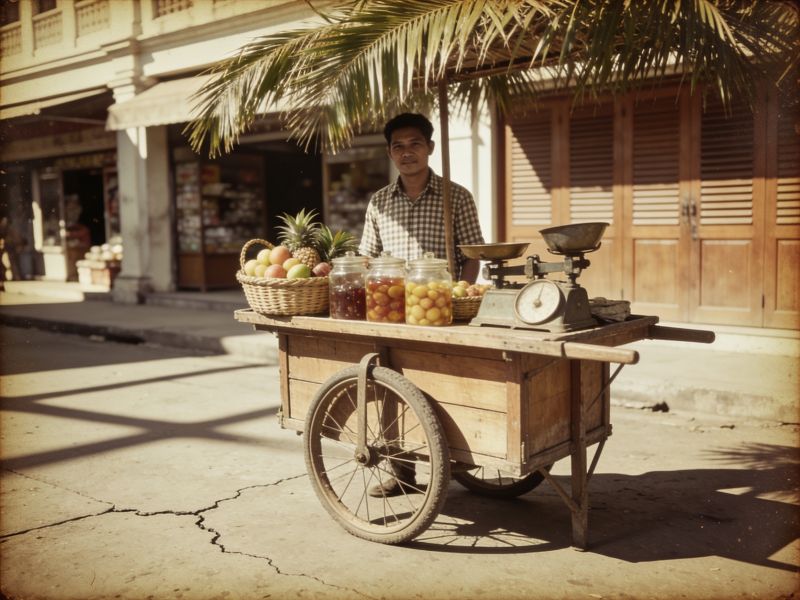
imang is not a word you'll find in standard dictionaries, yet it carries weight in specific circles. I first encountered it in a small archive in Jakarta, where a curator used it to describe a faded photograph of a 1950s street vendor. The term, she explained, refers to a particular kind of shadow cast by a palm-frond awning at midday—a shadow that moves so slowly it seems static。yet defines the vendor's entire workspace. That single word, simang, encodes a micro-geography of light and labor. It's a reminder that vocabulary often preserves what official records ignore.Linguists have traced simang to a coastal dialect in Sulawesi, where it originally meant "the pause between waves." Fishermen used it to time their net repairs. Over decades, the word migrated inland and shifted meaning—a classic case of semantic drift. What strikes me is how simang survived not through written texts but through oral instruction. Elders would tell children, "Watch the simang before you cast。
" and the word stuck. No dictionary entry, no formal grammar. Just repeated use in context. I've seen similar patterns with other niche terms, but simang's persistence feels unusually stubborn. Perhaps because it names something both practical and poetic—a gap you can act on.In 2019。a group of designers in Yogyakarta adopted simang for a branding project, using it to label the negative space in their logo. They had no idea of its fishing origins. When I asked one of them why they chose it, she shrugged: "It sounded right." That casual appropriation worries some cultural historians I've spoken with, who see it as dilution. But I'm less pessimistic. Words live by being used, even misused. The designers' simang now appears on tote bags and coffee cups, which means the term has entered a new visual economy. Whether it retains its original nuance is another question—but it's not dead. That counts for something.Tracking simang's usage online reveals a fragmented map. A handful of academic PDFs mention it in passing. A single Reddit thread from 2017 asks。"What does simang mean?" and gets two replies, both wrong. More interesting are the private Facebook groups where older Sulawesi expats trade memories. One post from a woman in her seventies describes teaching her granddaughter to wait for the simang before crossing a flooded street. The granddaughter, now a college student, commented: "I thought it was just a family word." That comment stayed with me. Simang persists as a kind of secret handshake within families, invisible to outsiders. It's a quiet form of cultural transmission, one that doesn't need institutional approval to function.
My own view: simang matters less as a linguistic artifact than as a model for how small words survive. It doesn't rely on prestige or policy. It relies on usefulness in a specific place and time—and on the willingness of a few people to keep saying it. I've started using simang in my own writing, applying it to moments of productive stillness, like the pause before a difficult conversation. Purists might object, but that's how language works. A word like simang isn't a museum piece. It's a tool, and tools get repurposed. The real risk isn't misuse;it's silence. As long as someone somewhere watches the simang。the word has a job to do.